Trailblazing intelligence on the edge through disruptive innovation — boots on the ground.
Incumbent silicon was designed for the data center: power-hungry, throughput-first, single-model. Autonomy at the edge demands something different — concurrent intelligence delivered on a deterministic clock.
Perception tells a machine what it sees. Autonomy demands it know what to do.
GPUs are optimised for throughput and assume a cloud is one hop away. TPUs accelerate a single model in a temperature- controlled rack. Generic edge AI stops at perception.
None of them were built to run a full decision loop — perception through control — under a hard latency guarantee, inside a 15-watt platform that may never touch a network.
That gap is architectural. It cannot be patched with a business model built on cloud volume.
The TCC — a deterministic inference engine, owned end-to-end.
Full proprietary IP, from the instruction set to the silicon. The TCC is the core that lets a single chip reason in real time.
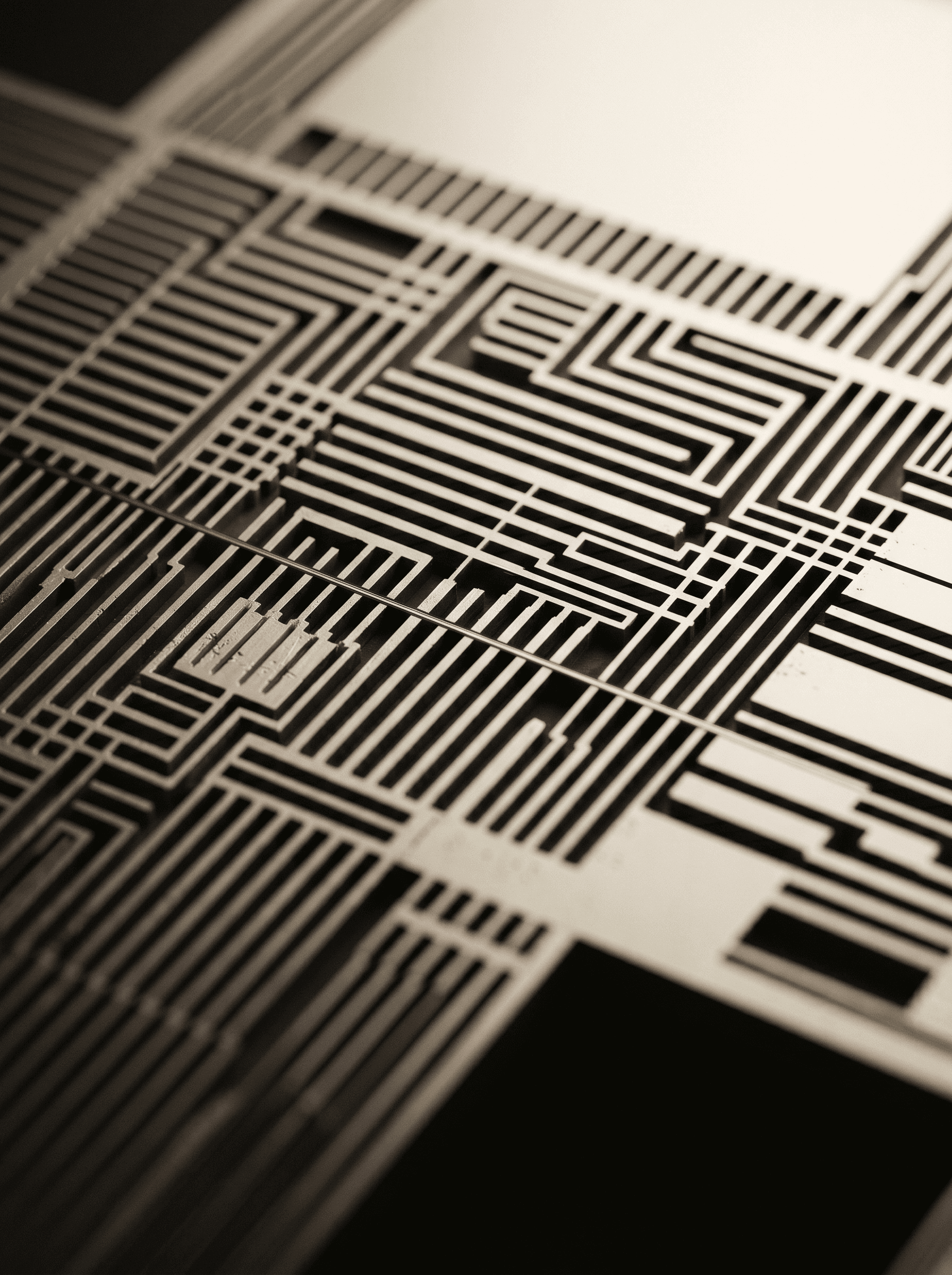
Hardware time contracts
Latency is enforced in silicon, not hoped for in software. Predictable, certifiable, bounded.
Concurrent model execution
Perception, fusion, reasoning and control run together — the full decision loop on one die.
Secure by construction
Tamper-resistant from the gate level up, for systems that operate in contested environments.
Modular IP cores
One architecture, many products. ASTRA and GARUDA share a common, scalable foundation.
Sub-15W envelope
Decision-grade compute within the thermal and power budget of a real edge platform.
No cloud dependency
CNNs, Transformers, RNNs and YOLO run entirely on-device. Validated end-to-end on FPGA.
Each era of silicon answered the workload of its time. This is the next one.
1970s
CPU
Sequential, general-purpose. The foundation of computing.
2000s
GPU
Massively parallel throughput. Optimised for the data center.
2010s
TPU
Tensor acceleration for cloud-scale single-model training.
Now
CemanticaAI
Deterministic, concurrent, decision-grade compute at the edge.
Paradigm-shifting improvements across key metrics on representative radar and vision workloads, compared with a conventional edge processing baseline.
+70–80%
Detection probability
40–70%
Fewer false alarms
2–4×
Low-RCS target detection
<5ms
End-to-end latency
Also: +30–60% classification accuracy improvement under the same conditions.
One core. The platforms that define the autonomous era.

Defense
AI-enabled radar, electronic warfare and command-decision support for sovereign platforms.
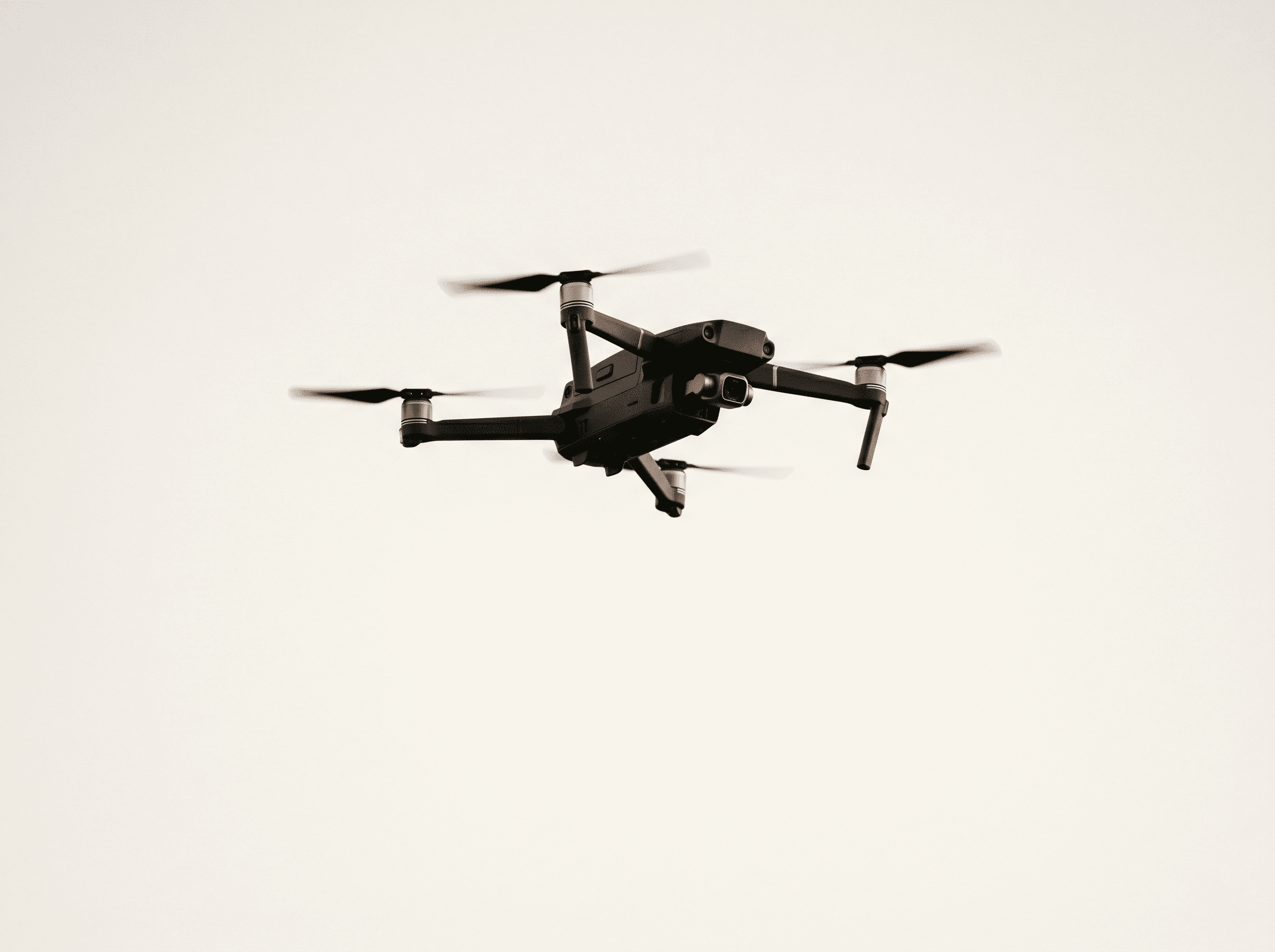
Drones & robotics
On-board SLAM, perception and control for GPS-denied, fast-moving autonomy.

Naval
Sonar and surveillance intelligence where reliability under uncertainty is non-negotiable.

Industrial
Deterministic edge inference for safety-critical sensing and automation.
Sample use cases
Deployed where decisions cannot wait.
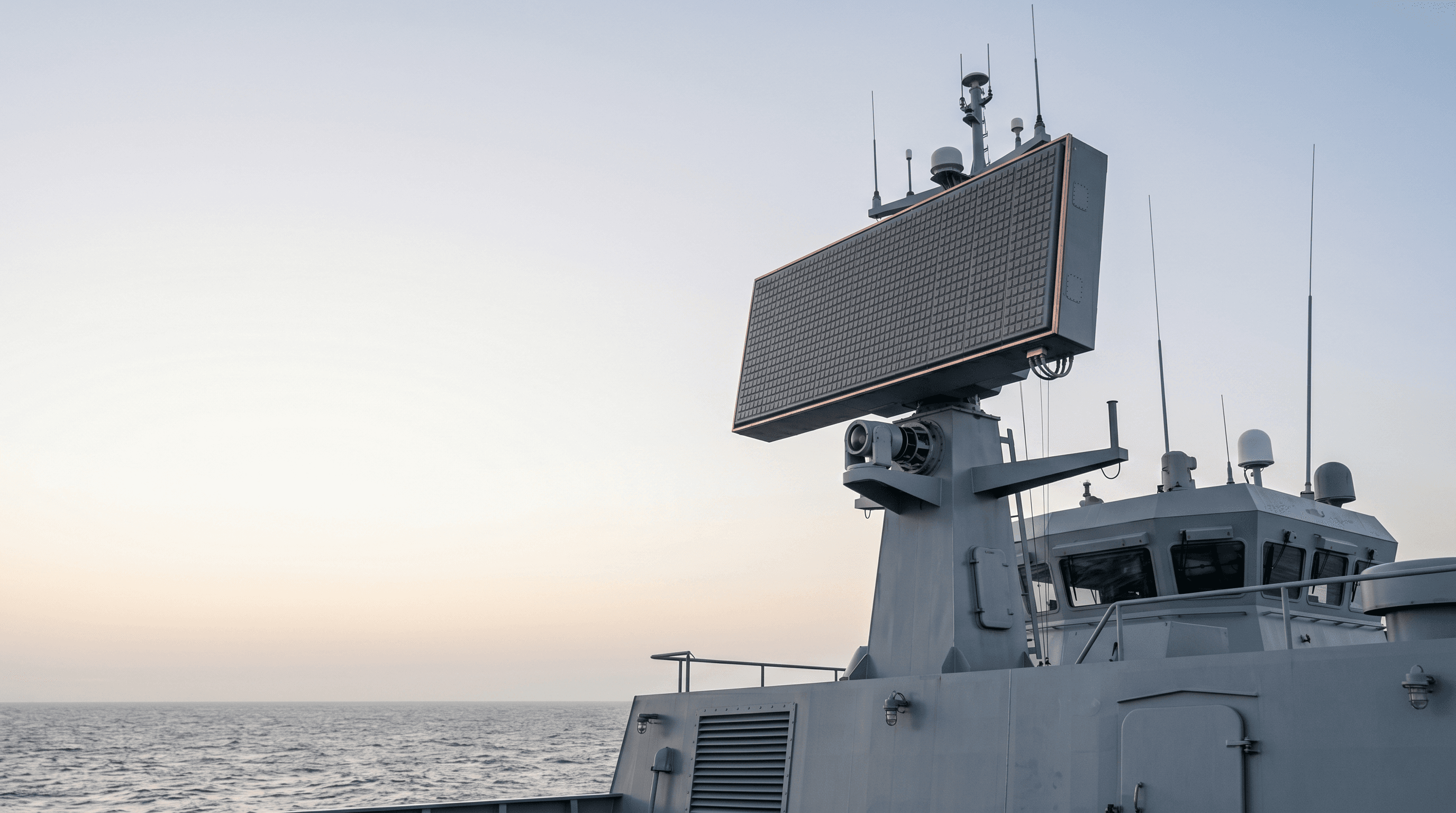
Navy
AI-enabled radar
On-board inference that sharpens detection and classification on naval surveillance platforms — deterministic, sovereign, and deployable at sea.
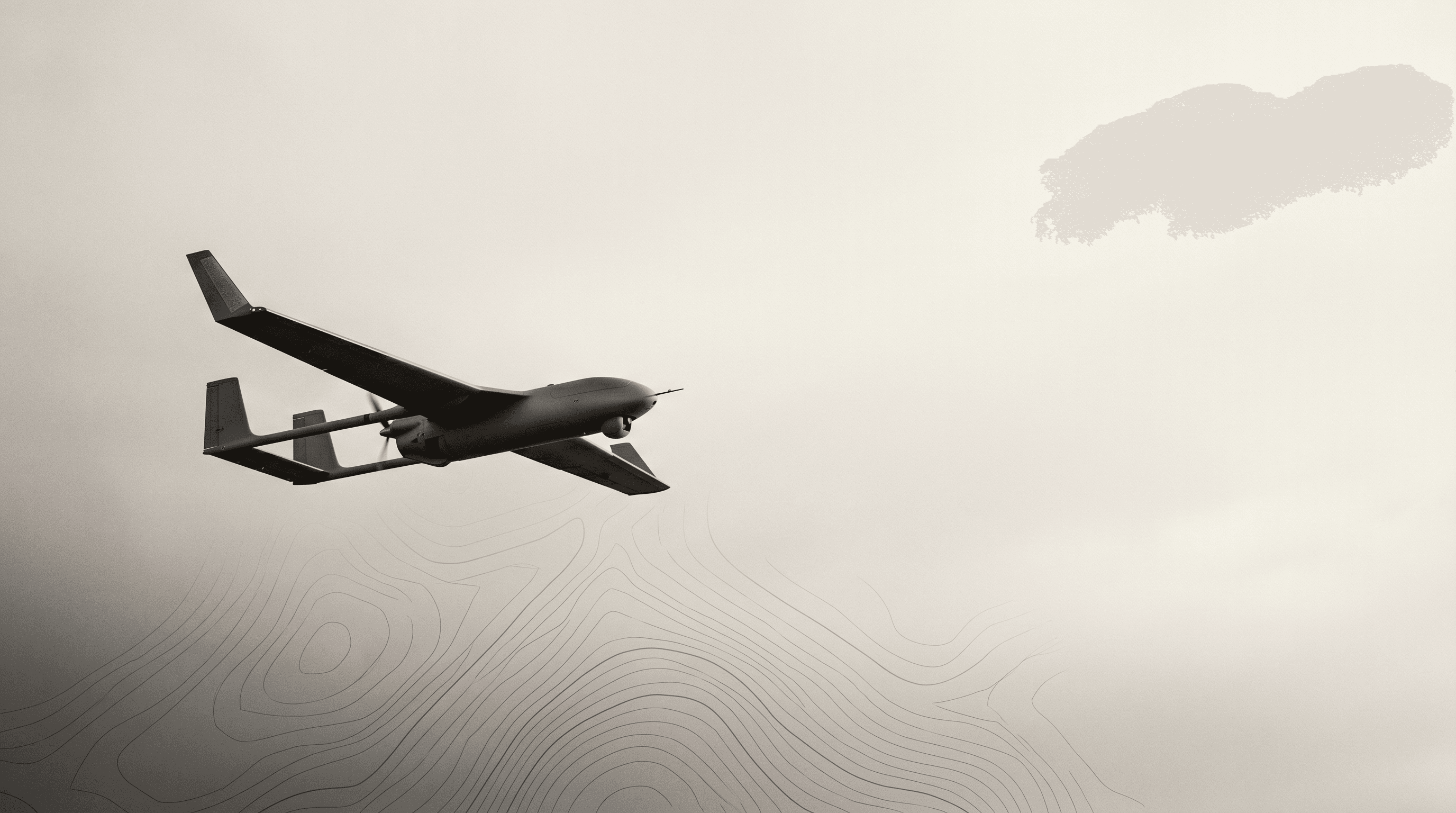
Army
SLAM for drones
Simultaneous localisation and mapping on unmanned aerial systems in GPS-denied, contested environments — perception and control on one die.